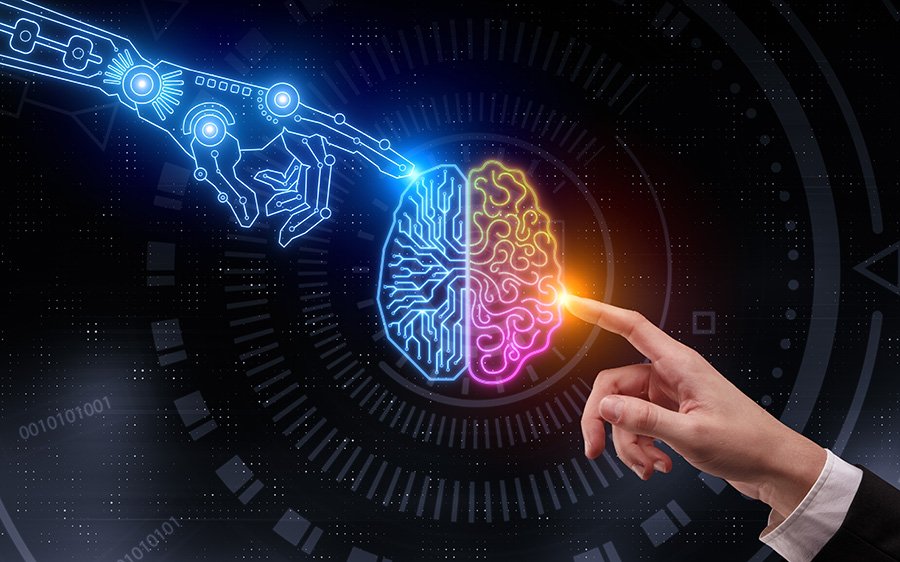
Why the human factor is still irreplaceable
In a world where artificial intelligence (AI) is transforming sectors such as industry, finance or logistics, it is tempting to think that it can also revolutionize the accompaniment of leaders. But can an AI replace the depth, empathy and experience of an executive coach? The answer is clear: no. The accompaniment of leaders requires a unique combination of specialized training, life experience and human skills that AI, no matter how advanced, cannot replicate. Below, we will explore why.
1. The essence of executive accompaniment: Beyond algorithms
Executive coaching is not just about giving advice or analyzing data. It is a deeply human process that involves understanding a person’s motivations, values, goals. An executive coach does not only listen; he interprets emotional nuances, detects non-verbal contradictions and creates a space of trust where the leader can reflect and grow.
AI can analyze patterns, offer data-driven insights, and synthesize information quickly. But it lacks the ability to establish a genuine emotional connection. It can’t pick up on the tension in a leader’s voice doubting their own vision or the satisfaction of someone who has finally made a difficult decision, let alone mirror the leader to show their true leadership skills. These are skills that only a coach with training and experience can provide.
2. Coach training: A background that AI can’t replicate
Executive coaches spend years training and learning in disciplines such as psychology, change management, communication, and leadership. This training allows them to understand the complexities of human behavior towards their company or project and adapt to the unique needs of each client and environment. In addition, many have been leaders themselves, which gives them a practical and empathetic perspective on the challenges that leaders face every day.
AI, on the other hand, relies on a set of data and algorithms designed to process information. Although it may have access to a huge amount of knowledge about leadership or management, it does not enjoy personal experiences or a lived understanding of what it means to lead a team in a crisis or make decisions under pressure. An executive coach brings this wisdom that only comes from direct experience.
3. Empathy and intuition: The heart of coaching
One of the pillars of coaching is empathy: the ability to put yourself in the shoes of another and understand their inner world. This quality, together with the intuition that coaches develop over the years, allows them to ask incisive questions, challenge limiting beliefs and guide leaders towards strategic solutions that they had not even considered.
It is true that AI can simulate empathy and ask questions based on previous patterns, but it does not feel or intuit anything. Their responses are the result of calculation, not emotional understanding. For example, if a leader shares their frustration with an internal conflict, AI can suggest conflict resolution techniques based on existing literature, but it cannot capture the specific emotional context or adapt to the client’s unexpressed needs. Unlike humans, it does not have consciousness.
4. AI as a tool, not a substitute
While AI cannot replace an executive coach, it can be a powerful complementary tool. For example, it can help analyze data about a team’s performance, identify industry trends, or suggest resources for professional development. Coaches can use these tools to enrich their sessions, but the true value of coaching lies in the human relationship that is built between the coach and the leader.
5. The Future of Coaching: Technology and humanity hand in hand
As AI advances, new applications in the field of leadership development are likely to emerge. AI-powered platforms could offer simulations of business situations, guided reflection exercises, or even preliminary feedback. But these tools will only succeed if they are combined with human coaching, which provides the context, warmth, and depth that no machine can match.
Conclusion
Leadership coaching is an art and a science that requires training, experience, and, above all, humanity. AI can offer information, insights, and tools, but it is not capable of replacing the magic of an executive coach guiding a leader to discover their potential. In an increasingly technological world, the value of the human factor in coaching only grows. Because, in the end, leadership is not just about making decisions; it is about connecting, inspiring, and growing as a person, and that can only be done by someone who understands what it means to be human.